FREE SHIPPING When you spend over $50
oral health information
Caring for someone else’s smile: A guide to effective assisted oral care
28 October 2026
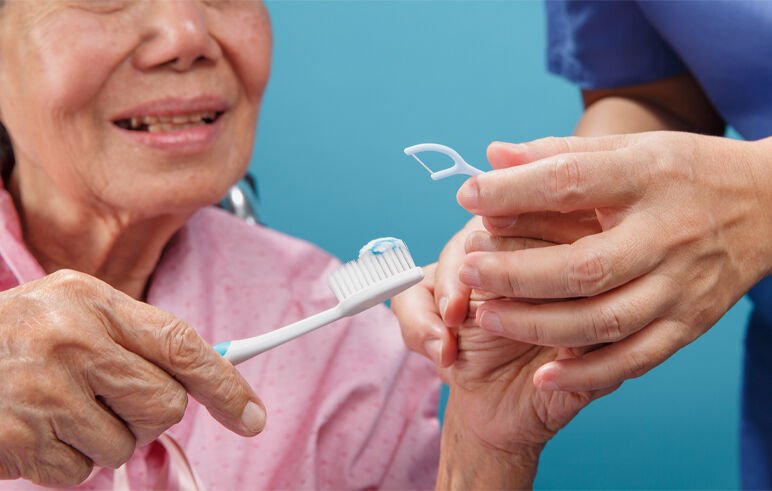
Whether you are caring for an older family member, someone living with a disability, or a loved one recovering from illness or surgery, a little extra help with their daily oral care can make a big difference. Especially older adults and people on multiple medications can become vulnerable to plaque build-up, gum disease, tooth decay and dry mouth.
Helping someone look after their mouth is more than just keeping their teeth clean. It can help prevent discomfort, protect their oral health and support their overall wellbeing. With the right techniques and products, assisted cleaning can help keep the mouth comfortable and healthy.
1. Make comfort and dignity a priority
Before getting started, explain what you are going to do and ask for the person's permission. Even if they have difficulty communicating, speak directly to them and give them time to understand and respond.
2. Start with gentle, thorough brushing
Aim to brush their teeth twice a day, using a soft bristled toothbrush and fluoride toothpaste. Sit or stand behind the person and gently support their head if needed. Work systematically around the mouth and chewing surfaces, paying particular attention to the gumline. Brush the tongue gently if tolerated, as bacteria can collect there too.
For assisted brushing, a toothbrush designed to make access easier can be particularly useful. Trio Teeth three-sided toothbrush or Piksters SupaGRIP toothbrush with a large handle can help reach difficult areas around individual teeth, dental work and along the gumline.
Take your time and never scrub aggressively. If brushing causes bleeding, pain or significant sensitivity, don't simply stop cleaning, instead arrange a dental assessment to identify the cause.
3. Don't forget the gaps between the teeth
Brushing alone cannot clean effectively between teeth. This becomes even more important when someone has crowns, bridges, implants, fillings or other existing dental work.
Choose the cleaning method according to the condition of the person's mouth and their dexterity:
- Dental floss or tape can be useful where contacts are tight. Gently slide the floss between the teeth rather than snapping it down onto the gums. Curve it into a C-shape around each tooth and move it gently up and down below the gumline.
- For bridges or larger spaces, interdental brushes can be easier and more effective than conventional floss.
- Floss threaders or specialised floss products can help clean underneath bridges and around orthodontic or implant work.
- A water flosser can be particularly helpful for people who struggle with traditional flossing or have bridges, implants or difficult-to-access areas.
4. Taking care of previous dental work
If the person you are caring for has had dental treatment in the past, it is important to take their dental work into consideration when helping with their daily oral hygiene. Gum recession, decay around restorations, periodontal problems or infection can compromise teeth supporting crowns, bridges, veneers and other restorations. Never force floss or an interdental brush around a restoration and never try to remove a loose piece of dental work yourself.
If a crown, bridge, filling or implant component becomes loose, or there is swelling, pus, persistent bleeding, pain or a bad taste, seek professional dental advice promptly.
5. Consider a suitable mouth rinse
Mouth rinses can be a useful addition to an oral care routine, particularly when someone needs extra help maintaining a clean and comfortable mouth. However, mouth rinses are not a replacement for brushing and interdental cleaning.
With so many options available, it is important to choose a mouth rinse that suits the person's individual needs and therefore it is important to follow dental professional advice, particularly when considering chlorhexidine or high-fluoride mouth rinses.
6. Dry mouth deserves special attention
Dry mouth (Xerostomia) is common among older adults and people taking multi medications (polypharmacy). Plus, people who do mouth breathing or sleep with their mouth open can make dry mouth conditions even worse.
Less saliva means less of the mouth's natural protection against acids and bacteria, increasing the risk of tooth decay, gum problems, discomfort and difficulty wearing dentures.
This is where specialised products for dry mouth such as Xerostom can make a real difference in building up saliva and moisturising the mouth.
7. Xylitol can be a helpful daytime addition
Xylitol is a sugar substitute found in a variety of oral care products, including chewing gum, mints and sweeteners. Unlike regular sugar, xylitol is a tooth-friendly sweetener that does not feed cavity-causing bacteria in the same way as fermentable sugars. Products containing xylitol may help reduce the risk of cavities when used as part of a good oral hygiene routine.
Xylitol mints or gum can be useful during the day but do consider whether the person can chew and swallow safely. These products may pose a choking risk for someone with swallowing difficulties, reduced coordination or certain cognitive or physical limitations.
Xylitol can also cause bloating, gas or diarrhoea when consumed in larger amounts, so follow the product instructions and introduce it cautiously if appropriate.
Keep xylitol products safely out of reach of dogs, as xylitol is highly toxic to them.
Follow these simple steps:
For someone who needs assistance, consistency matters more than complexity.
Morning:
Brush → clean between teeth → use appropriate mouth rinse/dry-mouth product.
Daytime:
Encourage them to drink water and suck or chew on saliva-stimulating products if suitable. Avoid prolonged sucking or sipping on sugary or acidic foods or liquids.
Night:
Thorough brushing → interdental cleaning → use the recommended dry-mouth product before sleep.
Plus remember, regular dental examinations and professional oral hygiene visits are recommended at every age and stage of life.
Oral care products should be selected according to the individual’s dentition, dental work, dexterity, medications and oral-health needs. When in doubt, check with the person’s dentist or oral-health professional to recommend the most appropriate products and ask them to demonstrate how to safely use these products and what the correct techniques are.

Recent articles
oral health information
Caring for someone else’s smile: A guide to effective assisted oral care
Everyone deserves a healthy, comfortable smile. However, for some people, brushing their teeth and maintaining their oral hygiene isn't always easy.

Your smile deserves a good night’s sleep
We all know that getting a good night’s sleep makes us feel better, sharper, and more energized—but did you know it also plays a crucial role in your oral health?